IP collaboration VM
Licensed IP installations, produced to the rights holder's standards.
Overview
IP work adds a layer of approval to a normal installation: character proportions, colour references and sometimes physical samples must be signed off before production. We build approval points into the programme so the schedule survives them.
When to choose it
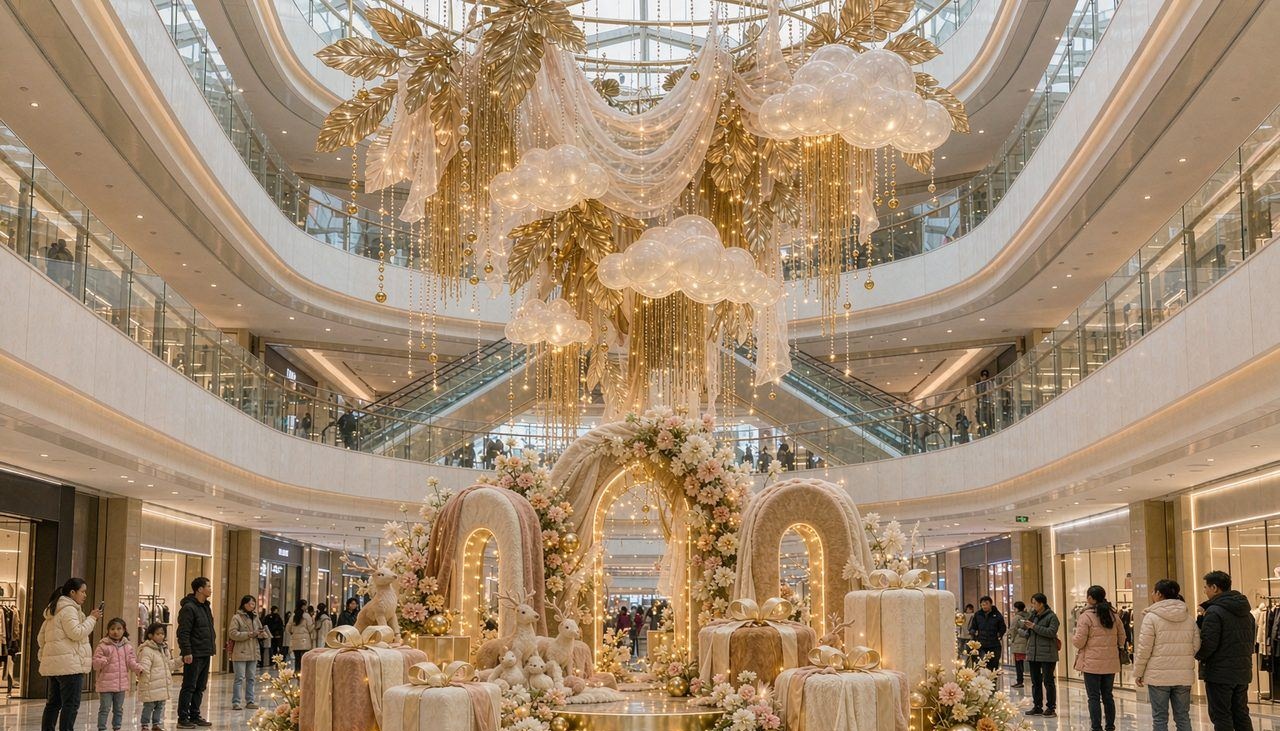
IP collaborations and co-branded installations are chosen where two or more brand identities must coexist convincingly in one physical piece. They suit launches, campaigns, retail activations and fan events. The extra discipline they demand is approval: every element usually needs sign-off from more than one brand owner, so the programme has to accommodate review cycles that a single-brand project never has.
How it is made
Both brand guidelines are reconciled before design begins, and the areas where each brand must be visually dominant are agreed in writing. The design is then developed to give each identity a clear zone and a shared centre, so neither looks like an afterthought. Materials and finishes are chosen to satisfy both parties' standards, which usually means the stricter of the two. Production is staged so approvals happen on physical samples rather than on renders, since this is where brand owners most often disagree with each other.
Typical specifications
| Programme | Approval gates scheduled before each production phase |
|---|---|
| Standards | Colour and proportion per the rights holder's style guide |
| Materials | FRP, GRC, printed graphics, inflatables, lighting |
| Lead time | 6-12 weeks depending on approval cycles |
Typical applications
- Mall and retail campaigns
- Film and streaming promotions
- Brand collaborations
- Theme and family attractions
- Event activations
What goes wrong on site
- Starting design before both brand owners have agreed which identity leads where, which guarantees a redesign.
- Approving from renders; brand teams approve different things when they see a physical sample.
- Assuming one brand's material standards satisfy the other, when the stricter specification should govern.
Before an overseas project starts
Both brand guidelines
Send the manuals and confirm who approves what. Two approval routes need to be planned into the programme from the start.
Who leads where
Agree in writing which brand dominates the entrance, the centre and the detail. Ambiguity here is the main cause of delay.
Sample approval
Build physical sample approval into the programme. It is slower and it is much faster than a redesign.
Questions buyers ask
Who handles the licence?
The client holds the licence and provides written authorisation. We require that authorisation in writing before we begin any licensed character production.
What if the rights holder requests changes late?
Late changes are the main schedule risk on IP projects. We price an allowance for revision rounds and flag it clearly before contract, so surprises are avoided.
How a project runs
- 1. EnquirySend photographs, drawings or a 3D file with approximate dimensions and your target date. A short written brief is enough to start.
- 2. Technique recommendationWe come back with the technique that fits your substrate, viewing distance and budget, plus the alternatives we rejected and why.
- 3. Sample and quotationA colour or material sample where relevant, and a costed quotation split into material, labour, finishing, packing and freight.
- 4. ProductionWork proceeds in our own workshop with dated progress photographs at agreed milestones.
- 5. Packing and shippingCrated and marked to your forwarder's requirements, with the full export document set prepared in advance.
- 6. Installation or handoverOur own crew installs on site, or we supply a fixing method statement and supervise your contractor locally.
Packing, shipping and export
Overseas projects are normal work for us, and packing is designed for the journey rather than added afterwards. Components are numbered against a packing list so assembly on site follows the drawings.
- Export plywood crates with foam blocking, desiccant and heat-treated (ISPM 15) timber
- Each crate marked with the shipping mark, crate number, gross and net weight and handling symbols
- Packing list keyed to the assembly drawings, so parts are identifiable on arrival
- Full document set: commercial invoice, packing list, certificate of origin and fumigation certificate
- Delivery on EXW, FOB, CIF or DDP terms depending on your forwarder arrangements
- Container loading plan supplied for large or irregular items, with a photo record of loading
Commercial terms
| Payment | Deposit on order, balance before shipment; T/T or as agreed in the contract |
|---|---|
| Currency | RMB or USD, invoiced in the agreed currency |
| Validity | Quotations held for 30 days unless stated otherwise |
| Scope basis | Material, labour, finishing, packing and freight quoted as separate lines |
| Changes | Variations priced in writing before the work proceeds |
| Warranty | Defects against workmanship and material failure within the agreed warranty period |
Quality control
- Dimensional and finish checks at each production milestone, not only at the end
- Dated progress photographs sent to the client throughout production
- Pre-shipment assembly trial for multi-part pieces, so site fit is verified before dispatch
- Third-party inspection welcome; we will prepare the access and documentation needed
- Written handover with material and colour records, so later repairs can be matched
Other techniques in this capability
Groundscape & scene installation
Groundscape and full-scene installations that visitors walk through.
Read guide →Light-art installation
Light-art installations built around the light source, not the object.
Read guide →Interactive sensor installation
Interactive installations driven by sensors, gesture or sound.
Read guide →All Visual Merchandising & Installations techniques · Full capability page · Complete technique library
Need this technique on your project?
Send the brief, approximate dimensions and destination. We will come back with a technique recommendation and a reference price band.
Request a quoteHow export works