Light-art installation
Light-art installations built around the light source, not the object.
Overview
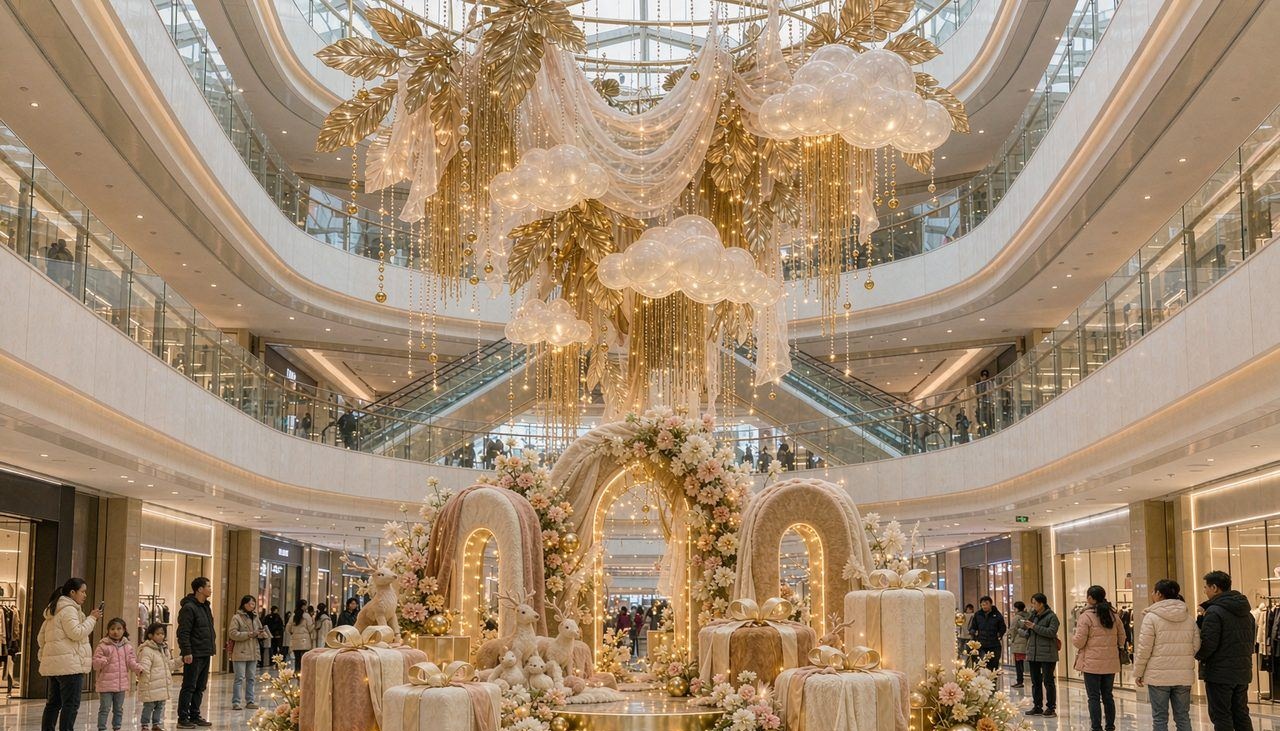
In light-art the structure exists to hold and hide the light. We design the frame, the cabling and the control system together, so the visible result is only the effect and nothing of how it works.
When to choose it
Light installations are chosen when light itself should be the material - where the effect is not an object that is lit but colour, pattern and movement in space. They suit festivals, facades, plazas, hotel and retail interiors and night-time destinations. They are dependent on darkness to work at all, so the value of the installation is proportional to how dark the surroundings actually are.
How it is made
The design is developed in the dark, tested on site or in a controlled room, because light installations behave nothing like their drawings. Fixtures are selected for their output and their beam, and the control system is designed so scenes can be changed without re-rigging. Cabling is concealed and routed so it can be serviced, and the structure is detailed to disappear, since the whole point is the light. Power, load and, for exterior work, IP rating are resolved before anything is specified.
Typical specifications
| Control | DMX, Art-Net or standalone playback |
|---|---|
| Light sources | LED strip, pixel, projector, fibre optic |
| Lead time | 4-8 weeks including programming |
| Compliance | Electrical certification and CE/UKCA components where required |
Typical applications
- Atrium and facade features
- Museum and gallery installations
- Retail and brand spaces
- Light festivals
- Event venues
What goes wrong on site
- Presenting the design in daylight renders where the light sources read as objects rather than as the visual.
- Under-specifying the control system, so the installation cannot be reprogrammed for different times or events.
- Leaving cable routing and access unresolved, so a repair means dismantling the visible work.
Before an overseas project starts
Darkness and ambient light
Tell us what else lights the space at night, because ambient light is what determines whether the piece will read at all.
Control requirements
Tell us whether scenes need to change - for events, for seasons, for a schedule. It changes the system specification substantially.
Power and exposure
Confirm the available power and, for exterior work, the IP rating and cleaning regime required.
Questions buyers ask
Can the effect be reprogrammed after installation?
Yes. We hand over the show file and, where the venue wants it, train staff to adjust timing, colour and sequences themselves.
What happens if a light fails?
Design is modular, so a failed unit is swapped rather than repaired in place, and we supply spare units as part of the handover package.
How a project runs
- 1. EnquirySend photographs, drawings or a 3D file with approximate dimensions and your target date. A short written brief is enough to start.
- 2. Technique recommendationWe come back with the technique that fits your substrate, viewing distance and budget, plus the alternatives we rejected and why.
- 3. Sample and quotationA colour or material sample where relevant, and a costed quotation split into material, labour, finishing, packing and freight.
- 4. ProductionWork proceeds in our own workshop with dated progress photographs at agreed milestones.
- 5. Packing and shippingCrated and marked to your forwarder's requirements, with the full export document set prepared in advance.
- 6. Installation or handoverOur own crew installs on site, or we supply a fixing method statement and supervise your contractor locally.
Packing, shipping and export
Overseas projects are normal work for us, and packing is designed for the journey rather than added afterwards. Components are numbered against a packing list so assembly on site follows the drawings.
- Export plywood crates with foam blocking, desiccant and heat-treated (ISPM 15) timber
- Each crate marked with the shipping mark, crate number, gross and net weight and handling symbols
- Packing list keyed to the assembly drawings, so parts are identifiable on arrival
- Full document set: commercial invoice, packing list, certificate of origin and fumigation certificate
- Delivery on EXW, FOB, CIF or DDP terms depending on your forwarder arrangements
- Container loading plan supplied for large or irregular items, with a photo record of loading
Commercial terms
| Payment | Deposit on order, balance before shipment; T/T or as agreed in the contract |
|---|---|
| Currency | RMB or USD, invoiced in the agreed currency |
| Validity | Quotations held for 30 days unless stated otherwise |
| Scope basis | Material, labour, finishing, packing and freight quoted as separate lines |
| Changes | Variations priced in writing before the work proceeds |
| Warranty | Defects against workmanship and material failure within the agreed warranty period |
Quality control
- Dimensional and finish checks at each production milestone, not only at the end
- Dated progress photographs sent to the client throughout production
- Pre-shipment assembly trial for multi-part pieces, so site fit is verified before dispatch
- Third-party inspection welcome; we will prepare the access and documentation needed
- Written handover with material and colour records, so later repairs can be matched
Other techniques in this capability
Groundscape & scene installation
Groundscape and full-scene installations that visitors walk through.
Read guide →Interactive sensor installation
Interactive installations driven by sensors, gesture or sound.
Read guide →IP collaboration VM
Licensed IP installations, produced to the rights holder's standards.
Read guide →All Visual Merchandising & Installations techniques · Full capability page · Complete technique library
Need this technique on your project?
Send the brief, approximate dimensions and destination. We will come back with a technique recommendation and a reference price band.
Request a quoteHow export works