Tourism IP & merchandise
Tourism IP: mascots, characters and derivative merchandise.
Overview
A tourism IP gives a place something to sell, brand and repeat. We develop the character, model it, produce the physical mascot, and build the merchandise range around the same master file.
When to choose it
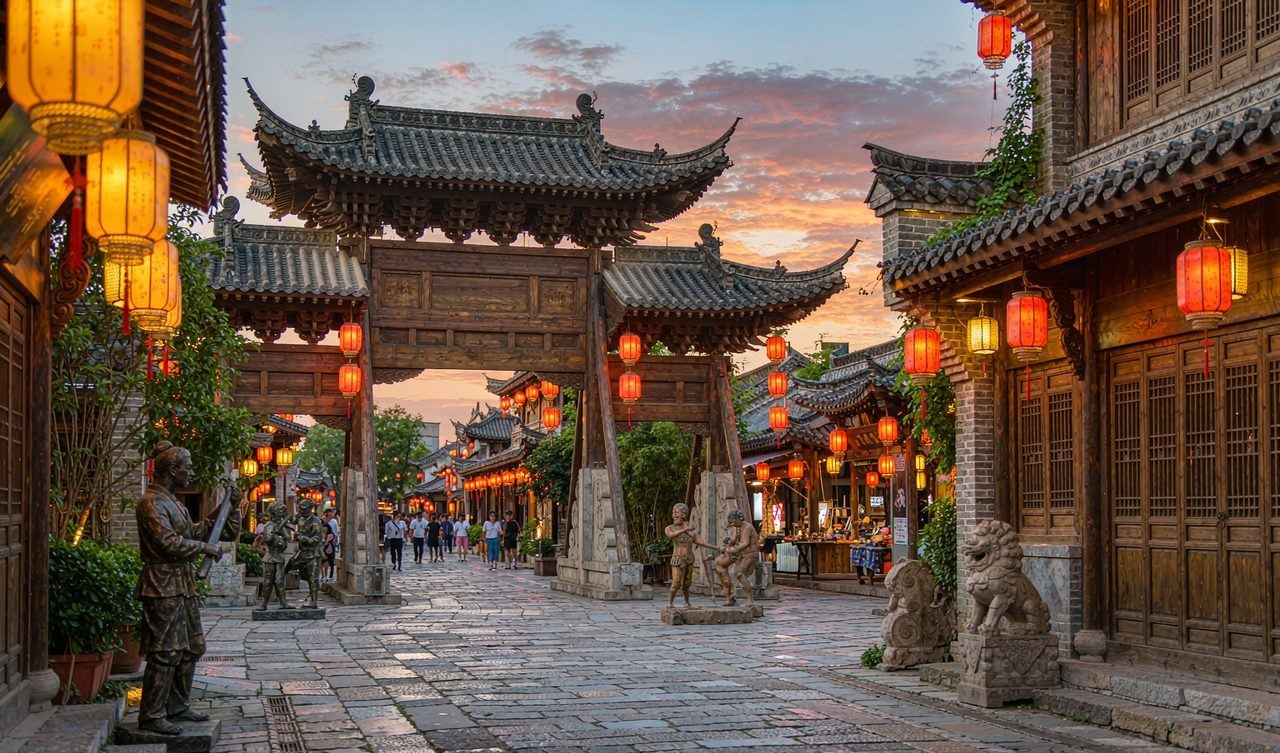
Tourism IP is chosen when a destination wants something repeatable - a character or identity that can be applied to statues, souvenirs, packaging and signage from a single master design, rather than a one-off artwork that exists only on site. It suits destinations building a souvenirs and gifts range, festivals, parks and heritage sites. It is the wrong route where there is no willingness to police the character across print, merchandise and physical production, because an identity used inconsistently is worth less than a single well-made mascot.
How it is made
The character is designed and then modelled as one master 3D file, and everything physical derives from that file rather than being redrawn per product, which is what keeps a statue, a soft toy and a printed package recognisably the same character. The master figure is produced first as a physical reference, because colour, proportion and surface read differently in three dimensions than on screen, and that reference is then the benchmark for the range. Materials follow the product: FRP and resin for statues, plush and vinyl for touchable goods, and print for packaging and paper, each with its own production route and its own tolerances for colour. Deliverables are handed over as usable source files alongside the physical products, so the identity can be extended later without returning to us.
Typical specifications
| Process | Character design, 3D modelling, master figure, production |
|---|---|
| Applications | Statues, soft goods, printed goods, packaging, signage |
| Materials | FRP, resin, plush, vinyl, print |
| Lead time | 8-16 weeks for character plus first range |
Typical applications
- Destination mascots
- Souvenir and gift ranges
- Character statues
- Packaging and print
- Event and festival identity
What goes wrong on site
- Redrawing the character for each product instead of deriving everything from one master file, which is how a mascot stops looking like itself across a range.
- Approving the design in two dimensions and skipping the physical master figure, so proportion problems only appear once tooling is committed.
- Handing over products without the source files, which makes every future addition an expensive re-design rather than a continuation.
Before an overseas project starts
Applications and range plan
Which products the character must appear on, because the master file and colour specification are driven by the whole range rather than by the first item.
Rights, markets and cultural fit
Who owns the character, where it will be sold, and whether any imagery or colour needs checking against the destination market.
Source file handover
Confirm you receive working files and specifications, not only finished physical products, so the identity can be extended later.
Questions buyers ask
Do we own the design?
That is set in the contract. Normally the client owns the final artwork and we assign the rights; the terms are clear before design work begins.
Can the same character be produced at many scales?
Yes, from a keyring to a 6 m statue. One approved master model keeps every scale consistent, which is the whole point of the exercise.
How a project runs
- 1. EnquirySend photographs, drawings or a 3D file with approximate dimensions and your target date. A short written brief is enough to start.
- 2. Technique recommendationWe come back with the technique that fits your substrate, viewing distance and budget, plus the alternatives we rejected and why.
- 3. Sample and quotationA colour or material sample where relevant, and a costed quotation split into material, labour, finishing, packing and freight.
- 4. ProductionWork proceeds in our own workshop with dated progress photographs at agreed milestones.
- 5. Packing and shippingCrated and marked to your forwarder's requirements, with the full export document set prepared in advance.
- 6. Installation or handoverOur own crew installs on site, or we supply a fixing method statement and supervise your contractor locally.
Packing, shipping and export
Overseas projects are normal work for us, and packing is designed for the journey rather than added afterwards. Components are numbered against a packing list so assembly on site follows the drawings.
- Export plywood crates with foam blocking, desiccant and heat-treated (ISPM 15) timber
- Each crate marked with the shipping mark, crate number, gross and net weight and handling symbols
- Packing list keyed to the assembly drawings, so parts are identifiable on arrival
- Full document set: commercial invoice, packing list, certificate of origin and fumigation certificate
- Delivery on EXW, FOB, CIF or DDP terms depending on your forwarder arrangements
- Container loading plan supplied for large or irregular items, with a photo record of loading
Commercial terms
| Payment | Deposit on order, balance before shipment; T/T or as agreed in the contract |
|---|---|
| Currency | RMB or USD, invoiced in the agreed currency |
| Validity | Quotations held for 30 days unless stated otherwise |
| Scope basis | Material, labour, finishing, packing and freight quoted as separate lines |
| Changes | Variations priced in writing before the work proceeds |
| Warranty | Defects against workmanship and material failure within the agreed warranty period |
Quality control
- Dimensional and finish checks at each production milestone, not only at the end
- Dated progress photographs sent to the client throughout production
- Pre-shipment assembly trial for multi-part pieces, so site fit is verified before dispatch
- Third-party inspection welcome; we will prepare the access and documentation needed
- Written handover with material and colour records, so later repairs can be matched
Other techniques in this capability
Village history museum
Village and local history museums - collecting, interpreting, exhibiting.
Read guide →Ancient-town renovation
Ancient-town renovation - conservation detail with modern performance.
Read guide →Tourism street upgrade
Tourism street upgrades - facade, signage and public realm as one scheme.
Read guide →All Cultural Tourism & Scenic Fit-out techniques · Full capability page · Complete technique library
Need this technique on your project?
Send the brief, approximate dimensions and destination. We will come back with a technique recommendation and a reference price band.
Request a quoteHow export works